How photo calorie estimates work
Updated 2 October 2026, 5 min read
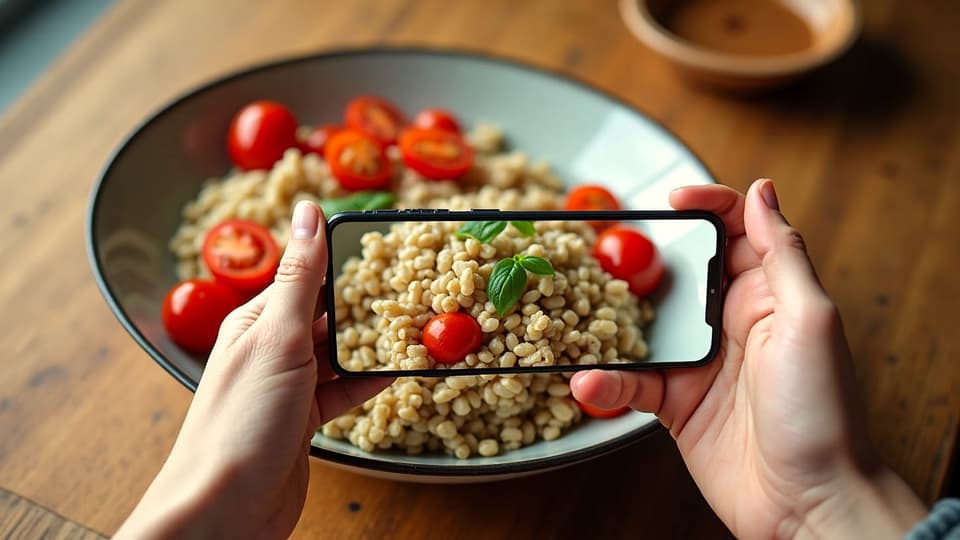
Snapping a plate is the fastest way to log a meal — and the least exact. That’s fine, as long as you know what the estimate can and can’t see.
What happens to your photo
The model identifies the foods it can see, estimates how much of each is on the plate, and matches each item to nutrition data. The result is an itemised list with a total and a confidence level — always labelled as an estimate.
Why it can’t be exact
A photo is a flat image of a three-dimensional meal. Research on image-based dietary assessment consistently identifies portion size — especially depth and hidden layers — as the hardest part to estimate. Some things a camera can’t see at all:
- Cooking oil and butter. One tablespoon of oil is about 120 kcal.
- Sauces and dressings mixed in or underneath.
- Ingredients hidden inside wraps, pies or sandwiches.
- How a dish was cooked — fried or grilled can look similar.
- Foods that look alike, such as full-fat and reduced-fat versions.
How we show uncertainty
Every photo estimate shows a confidence level (low, medium or high) and a range for each item. When an estimate is close to your remaining target, we say it might take you a little over, rather than pretending to know.
Getting a better answer
A few seconds of correction makes the biggest difference:
- Take the photo from above, with the whole plate in view.
- Correct any item we’ve named wrongly.
- Adjust portions using the slider if you know what you served.
- Add the cooking method and anything hidden, like oil or sauce.
- For packaged food, scan the barcode instead — it’s much more accurate.
This guide is general information, not medical advice.